



The short answer
Best Zendo alternatives at a glance
Wayfront connects repeatable service purchases to intake, delivery, support, and the next sale. Zendo is a better fit when a storefront and request desk should remain at the center of client work.
-
Wayfront
Best for: Agencies selling repeatable productized services. Wayfront connects purchase, intake, projects, tasks, communication, billing, support, and the next sale in one permissioned account.
-
Assembly
Best for: Firms that need to build custom apps for each client. Most plans cap active contacts, payouts reconcile through Stripe Express, and client sales carry a 0.3% to 1.5% billing-method fee.
-
Agency Handy
Best for: Agencies that want services, projects, tasks, billing, and support in one operations suite. Established agencies may outgrow its workflow depth around recurring intake, task handoffs, client permissions, billing exceptions, and account expansion.
-
SuiteDash
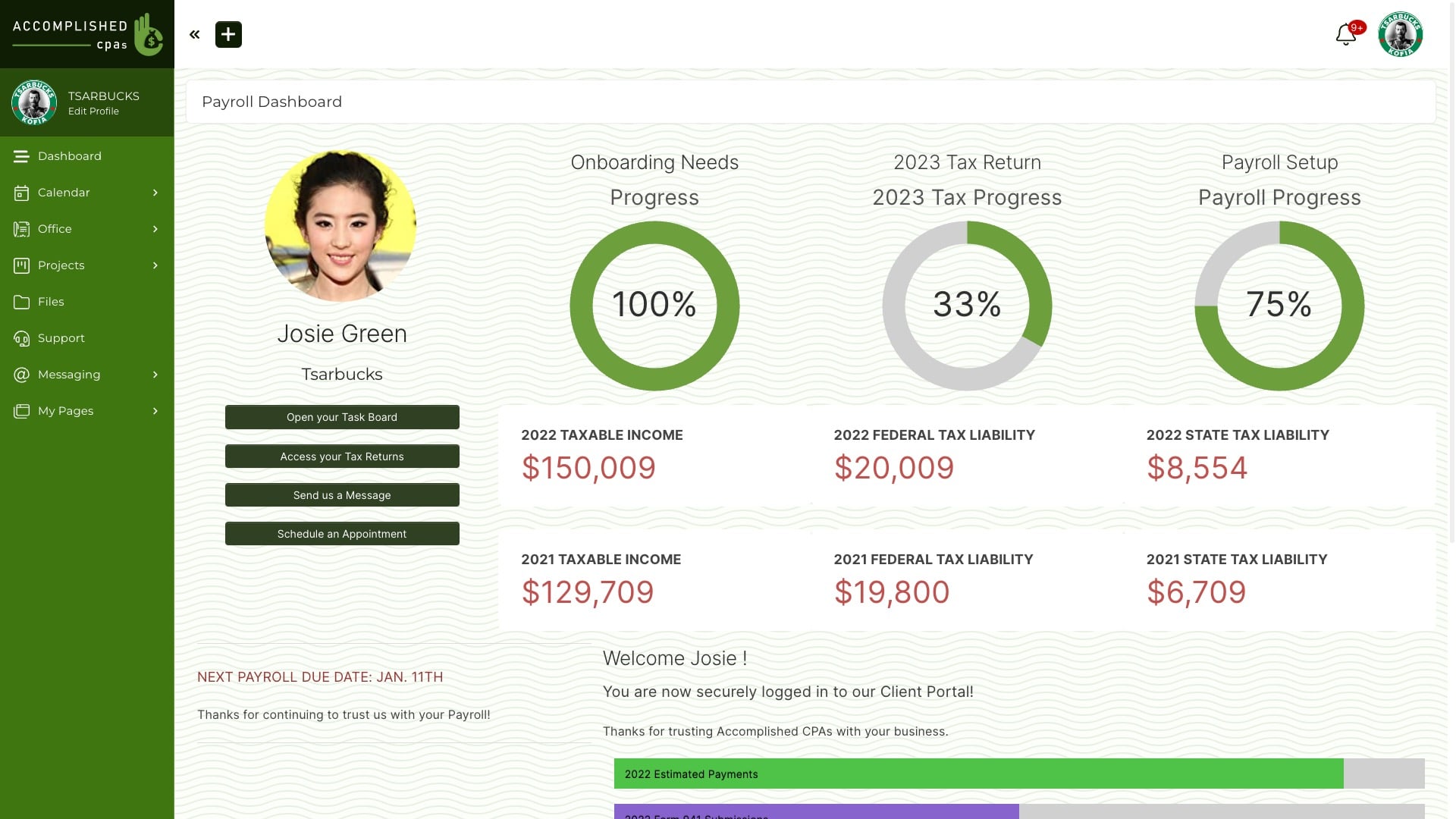
Best for: Businesses that want one low-cost back office. The agency must connect and maintain CRM, proposals, invoices, projects, files, portal pages, and automation. In our August 2026 review, the current interface looked dense and dated.
-
Clinked
Best for: Secure files, client workspaces, permissions, and branded mobile access. Its workspace-and-file model leaves the service purchase and next sale as separate concerns.
What you are replacing
Both products keep a client account, but they grow it differently
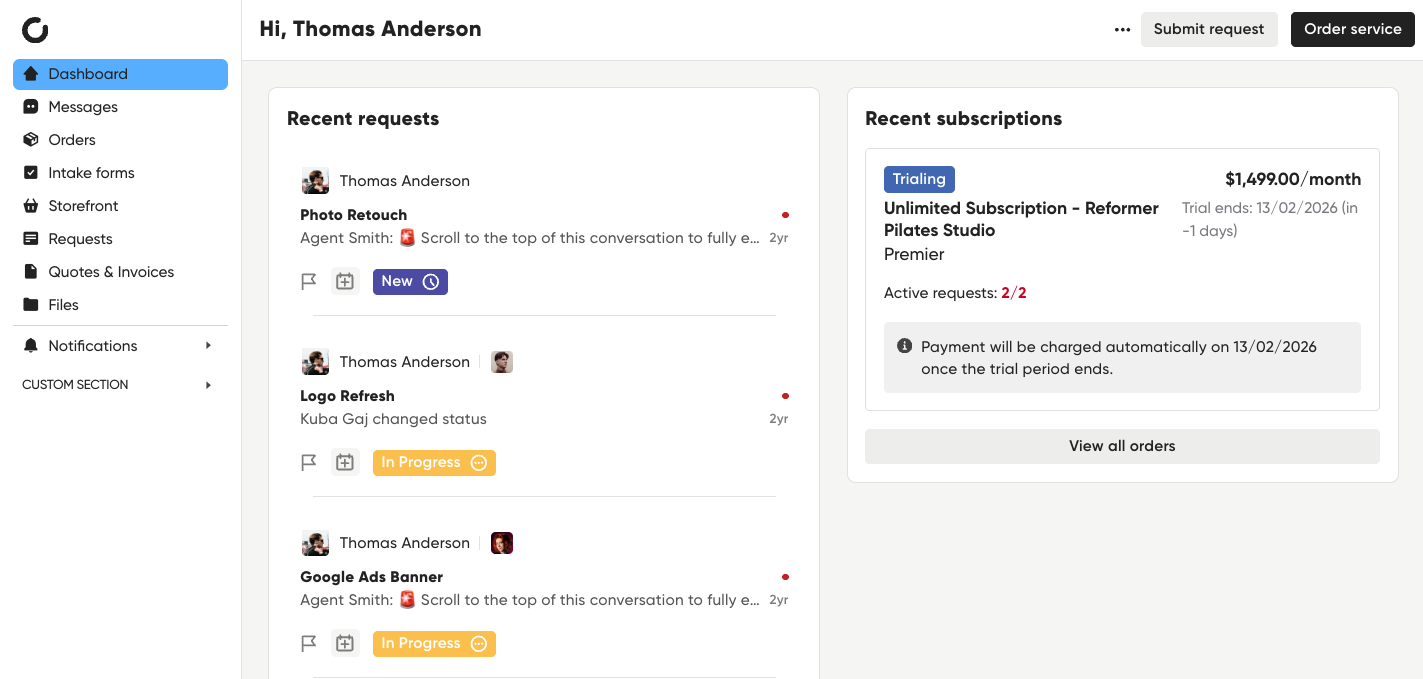
Zendo gives each client a dashboard for orders, requests, subscriptions, messages, documents, files, and another purchase. Requests drive delivery. Wayfront adds native referrals, reseller workspaces, and email-connected service delivery.
Choose Zendo when
Service teams that want a storefront, client dashboard, and request-led delivery
Choose Zendo when the storefront, dashboard, and request conversation should stay at the center of client work.
Choose Wayfront when
Repeatable services should create repeatable revenue
Choose Wayfront when the agency wants native referrals and reseller workspaces beside services, support, and repeat purchases.
Product model
How Zendo actually works
Zendo offers a client management platform focused on service businesses. Zendo and Wayfront both sell set, custom, and subscription based services. The key question is what happens after the client chooses a service.
Zendo keeps a client dashboard and runs delivery through orders and requests. Wayfront keeps referrals, resellers, support, and repeat sales in the service account.
Requests drive delivery inside a persistent client dashboard
Zendo runs client work through requests. A client picks a service type, places the order, and works with the provider in one thread. That thread can hold status, files, payment, and simple task notes.
This client portal platform fits small businesses that sell services through a queue. Each purchase can become a client request with its own communication and delivery context.
The dashboard also shows orders, subscriptions, documents, files, messages, and the storefront. Client work still revolves around the request.
Requests own the client interaction
Each Zendo request has its own conversation, status, files, payment, and simple task notes. Zendo uses request-specific email addresses for those messages.
Wayfront also keeps conversation inside the client account. Its organizing object is the paid service and the wider account, while each reply still returns to the correct order or support ticket. Test both paths with a real client.
Customization changes with the plan
Zendo includes the store and request flow early. Pro adds custom domains, email, rules, and client teams. CSS and JavaScript sit on the Agency plan.
That path suits a small provider starting with a simple portal. Build only the customization options the agency needs. An own domain and colors create a branded client experience. CSS and JavaScript add custom features, but requests still run the account.
Lead and proposal work can stay in the sales stack
Use a CRM and proposal tool for lead capture, tracking leads, sending proposals, and closing deals. Zendo begins closer to the service catalog and client request.
That boundary applies to Wayfront too. Custom services that require negotiated scope and a tool to send contracts should stay in the sales stack until the buying path becomes repeatable.
The operating difference in 3 parts
Communication model
Zendo: Clients have a persistent dashboard, while delivery conversations and actions stay close to each request. Zendo also uses request-specific email addresses.
Wayfront: Email replies can return to the correct order, ticket, and client record, so clients can move between the portal and their inbox.
Portal control
Zendo: Branding, domains, CSS, and JavaScript can shape the request-based experience on the relevant plans.
Wayfront: Wayfront Pro lets agencies edit the source templates and structure behind the client-facing experience.
Account growth
Zendo: Zendo supports repeat orders and connects Rewardful or Tapfiliate for affiliate tracking. Those programs require a separate provider subscription.
Wayfront: Wayfront treats repeat purchases, native client referrals, and connected reseller relationships as parts of the paid client account.
The full shortlist
The 5 best Zendo alternatives
Each tool does a different job. Choose based on what should happen after a client pays.
1 of 5
Wayfront
Where Wayfront fits
Best for agencies selling repeatable productized services. Wayfront connects purchase, intake, projects, tasks, communication, billing, support, and the next sale in one permissioned account.
Main tradeoff
Custom work that starts with a proposal needs its own sales process.
2 of 5
Assembly
Where Assembly fits
Best for firms that need to build custom apps for each client. Choose Assembly when client apps, contracts, custom homepages, permissions, and mixed types of work belong in one workspace.
How Assembly is organized
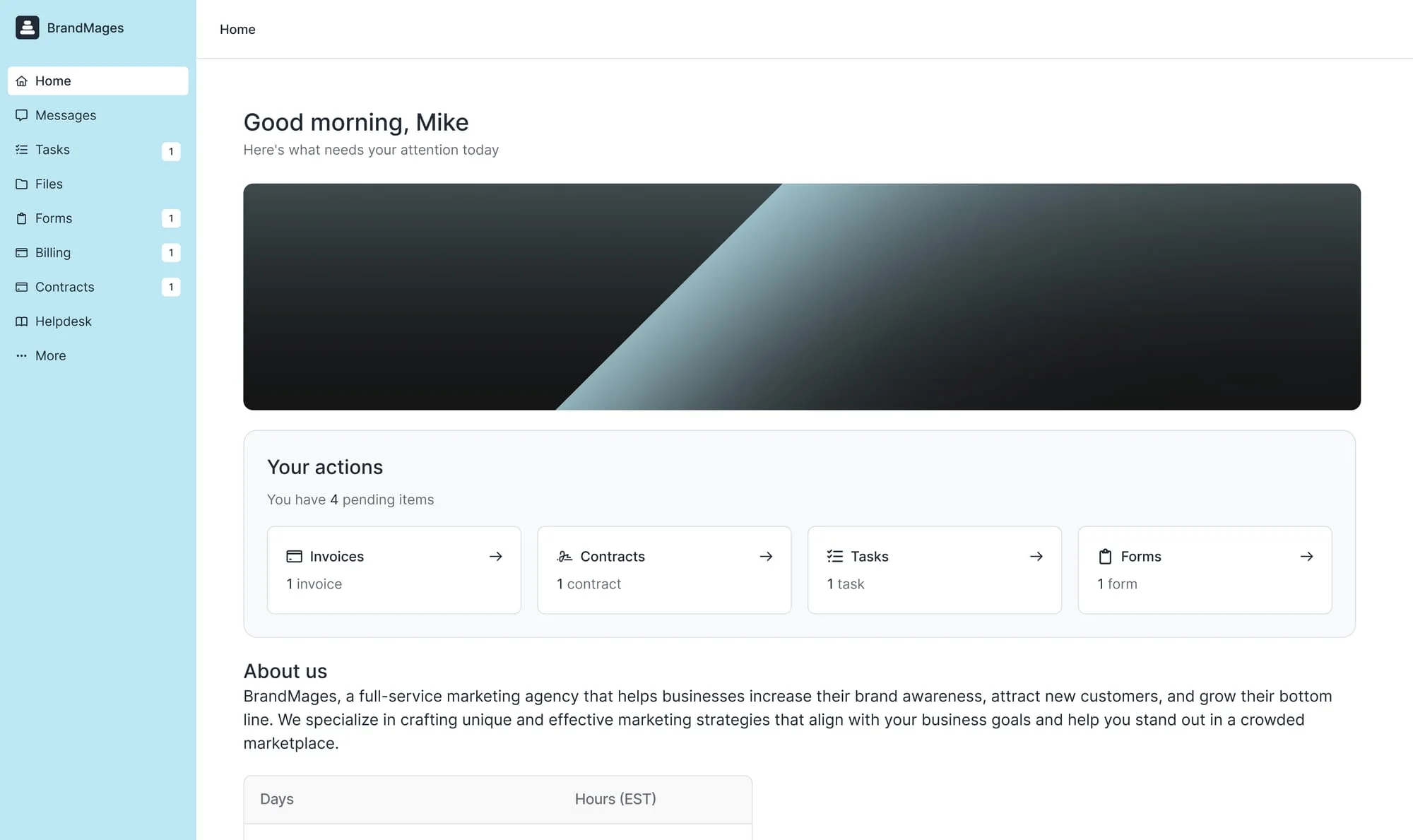
Assembly begins with a client workspace. The firm builds apps, pages, contracts, messages, files, billing, and a service store around each account.
Main tradeoff
Most plans cap active contacts, payouts reconcile through Stripe Express, and client sales carry a 0.3% to 1.5% billing-method fee.
Why it made this shortlist
Choose Assembly when replacing Zendo means giving each client a custom app workspace. It fits firms whose clients need different combinations of pages, forms, files, contracts, and tools.
What the switch gives up
The trade is more building and a different payment model. Active contacts are capped by plan, and Store payouts use Stripe Express plus an Assembly billing-method fee.
3 of 5
Agency Handy
Where Agency Handy fits
Best for agencies that want services, projects, tasks, billing, and support in one operations suite. Choose Agency Handy when the client portal and internal project operation should live in one suite.
How Agency Handy is organized
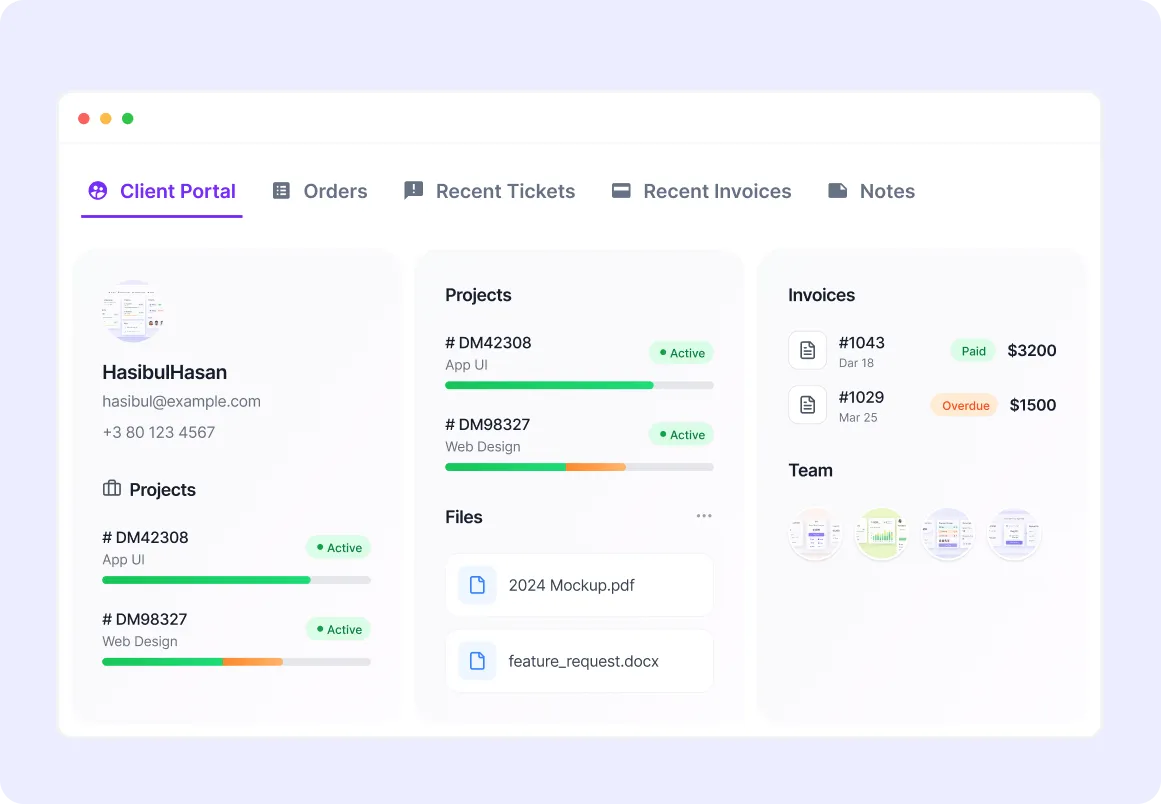
Agency Handy connects leads, services, orders, projects, tasks, invoices, tickets, files, and approvals in one agency operations suite.
Main tradeoff
Established agencies may outgrow its workflow depth around recurring intake, task handoffs, client permissions, billing exceptions, and account expansion.
Why it made this shortlist
Choose Agency Handy when the replacement should own internal projects and tasks as well as services, orders, billing, files, tickets, and the portal. It moves beyond Zendo's request-led delivery into a broader agency suite.
What the switch gives up
That wider scope changes the operating model. Teams that value Zendo's focused storefront, dashboard, and request queue should test whether they truly want internal project work in the same product.
4 of 5
SuiteDash
Where SuiteDash fits
Best for businesses that want one low-cost back office. Choose SuiteDash when one Swiss Army knife must cover CRM, projects, billing, files, portals, proposals, and rules.
How SuiteDash is organized
SuiteDash spreads CRM, proposals, invoices, projects, files, portal pages, and rules across a broad back office. The team decides how they should connect.
Main tradeoff
The agency must connect and maintain CRM, proposals, invoices, projects, files, portal pages, and automation. In our August 2026 review, the current interface looked dense and dated.
Why it made this shortlist
Choose SuiteDash when the goal is to replace Zendo and several office tools at once. CRM, proposals, invoices, projects, files, portal pages, and automations can all live in the same back office.
What the switch gives up
The agency must design and maintain how those modules connect. The interface is denser than Zendo's request-led flow, so the breadth only pays off when the team will use it.
5 of 5
Clinked
Where Clinked fits
Best for secure files, client workspaces, permissions, and branded mobile access. Choose Clinked when clients mainly need a safe place to share files and work together.
How Clinked is organized
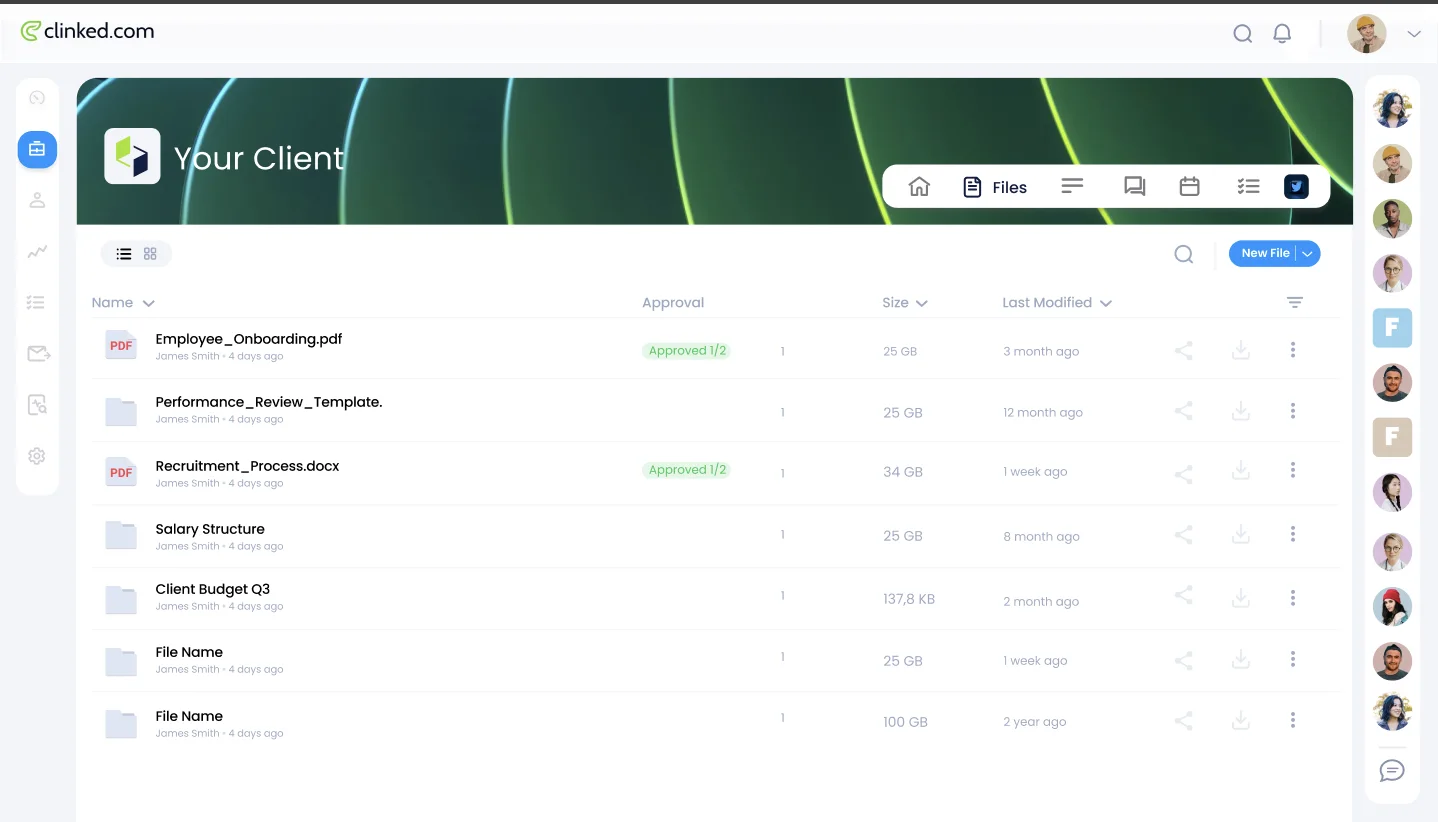
Clinked gives each client a secure group for files, messages, collaboration, permissions, and branded mobile access.
Main tradeoff
Its workspace-and-file model leaves the service purchase and next sale as separate concerns.
Why it made this shortlist
Choose Clinked when secure documents, client discussions, approvals, and branded workspaces matter more than a storefront or request queue. Its operating model is document-heavy client collaboration.
What the switch gives up
Clinked centers secure collaboration. Zendo's catalog, checkout, subscriptions, and request flow would need another home.
How to choose
Decide what the replacement must own
Each serious Zendo alternative makes a different object central: a request, a project, a sales record, or a paid service account.
Map the real client journey before you choose a portal or project tool.
How clients purchase and begin work
Zendo sells one-off, custom, repeat, and subscription services from a catalog. After payment, the client enters a request flow.
The free plan can test a small catalog and client set. Paid plans add more use, a custom domain, custom email, client teams, and rules. Check the current annual price before moving live work.
Wayfront is built around the repeatable paid service. Checkout, intake, delivery, support, and the next sale stay linked to the same client account.
How clients interact after purchase
In Zendo, a client signs in, submits requests, shares files, receives payment requests, and works from the dashboard. Conversations stay close to each request.
Wayfront also accepts replies from email. A client can move between the portal and inbox while the message stays attached to the right order or ticket.
Test file sharing, alerts, attachments, and a second stakeholder. Watch how clients interact without coaching. The portal must keep context when clients use email instead of the demo path.
Where project delivery belongs
Zendo includes basic task tracking around requests. It can be enough when a lean agency handles custom projects with a small number of steps and multiple deliverables that clients review inside the portal.
Both products can organize client work without becoming resource-planning suites. Wayfront creates projects and tasks from the purchased service and uses permissions to keep staff-only work private.
Test the real delivery path in both products: task owners, dates, internal notes, client actions, recurring intake, and the next purchase. Add a specialist planning tool only if the team needs Gantt charts, time tracking, or deep resource planning.
How billing and payments behave
Zendo supports payment processing, payment requests, online payment, recurring billing, payment reminders, and client-paid invoices. Its pricing page says Zendo adds no transaction fees.
Wayfront connects the agency's own Stripe or PayPal account and also adds no platform transaction fee. Test credit card payments, a failed charge, refund, cancellation, and recurring service before choosing.
Choose Zendo when billing should sit beside a request queue. Choose Wayfront when billing should also connect to native referral and reseller paths.
How branding and integrations scale
Higher Zendo plans add a custom domain, custom email, client teams, rules, and more brand controls. CSS and JavaScript sit on the Agency plan.
Wayfront provides an own brand experience and lets Pro customers edit the source templates behind client-facing pages. It can connect the commercial client relationship to third party tools used for internal work.
Build a real portal. Change the menu, words, email, and one awkward client page. This shows whether the product can wear the brand or truly fit the way the agency works.
How the agency grows the account
Zendo can sell another service through the store and start automated onboarding from a request. The client onboarding flow can also connect Rewardful or Tapfiliate for an affiliate program.
Wayfront supports repeat sales, client referrals, and reseller workspaces. Those paths matter when clients or agency partners create new sales.
Avoid choosing an all in one platform because it has more labels. Choose the system that matches how the agency sells, how clients buy again, and who owns the relationship after delivery.
How Wayfront works
Both products keep a client account; the growth model differs
Zendo gives clients a dashboard for orders, requests, plans, files, and messages. Wayfront puts more of the next-sale motion inside the product.
Choose Zendo when a storefront and request queue should run delivery. Choose Wayfront when native client referrals, reseller workspaces, service support, and repeat sales should work as one commercial system.
Hour packs
turned repeat requests into buyable services
Customer proof · Solo Media Group
The team turned common web requests into services that clients can buy.
Read the customer story1. Sell
Turn the sale into a client account
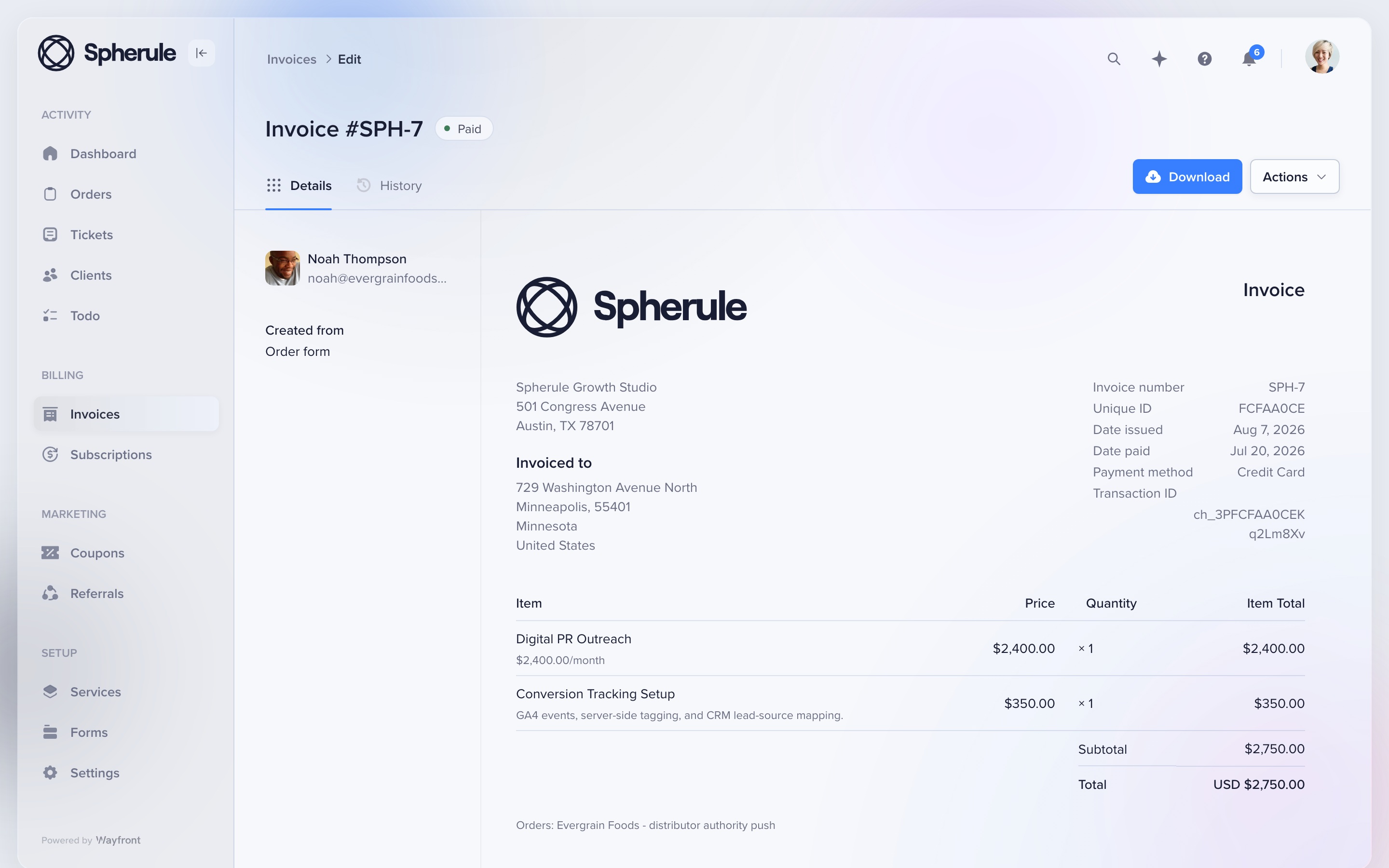
A paid service keeps the client, line items, bill, and service context together. Wayfront connects to the agency's own Stripe or PayPal account.
This redesigned invoice shows a recurring digital PR service and conversion-tracking add-on in one client record. The agency keeps control of its payment account, payouts, refunds, and disputes.
2. Onboard
Collect only the intake this service needs
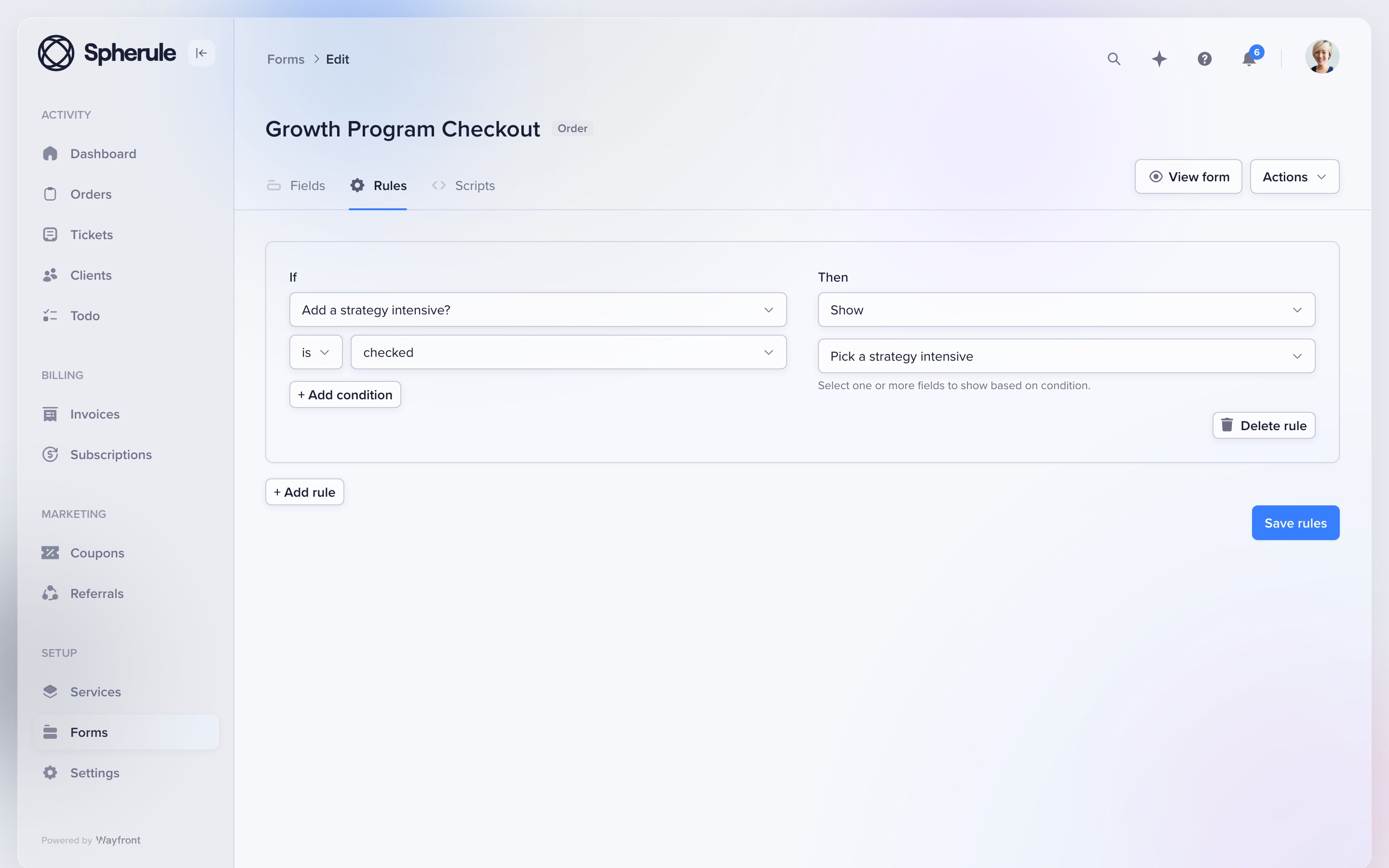
Give each service its own form. Conditional rules can show the next question based on the client's earlier answers.
Attach the form to the service before launch. A local SEO package, podcast plan, and landing page can each ask for different facts. The resulting project, tasks, owners, and client access stay tied to the purchase.
3. Communicate
Let clients choose the portal or email
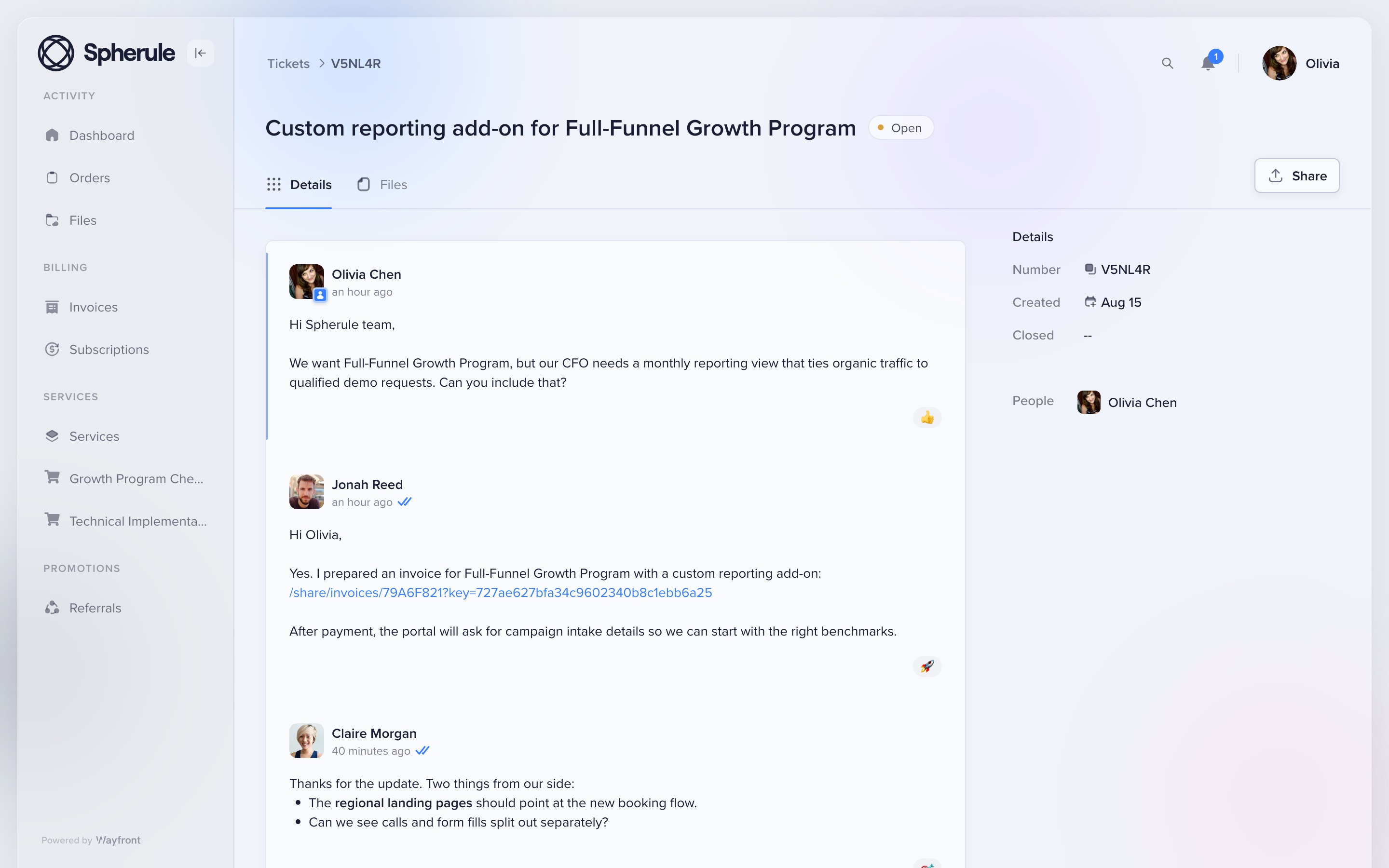
Clients can reply from their inbox or from the portal. Orders, files, tickets, bills, and current work stay under the same account.
This redesigned portal thread shows the conversation attached to the client account. Email replies return to the correct order or support ticket, so the team keeps one clear record.
4. Grow
Make the next sale easier
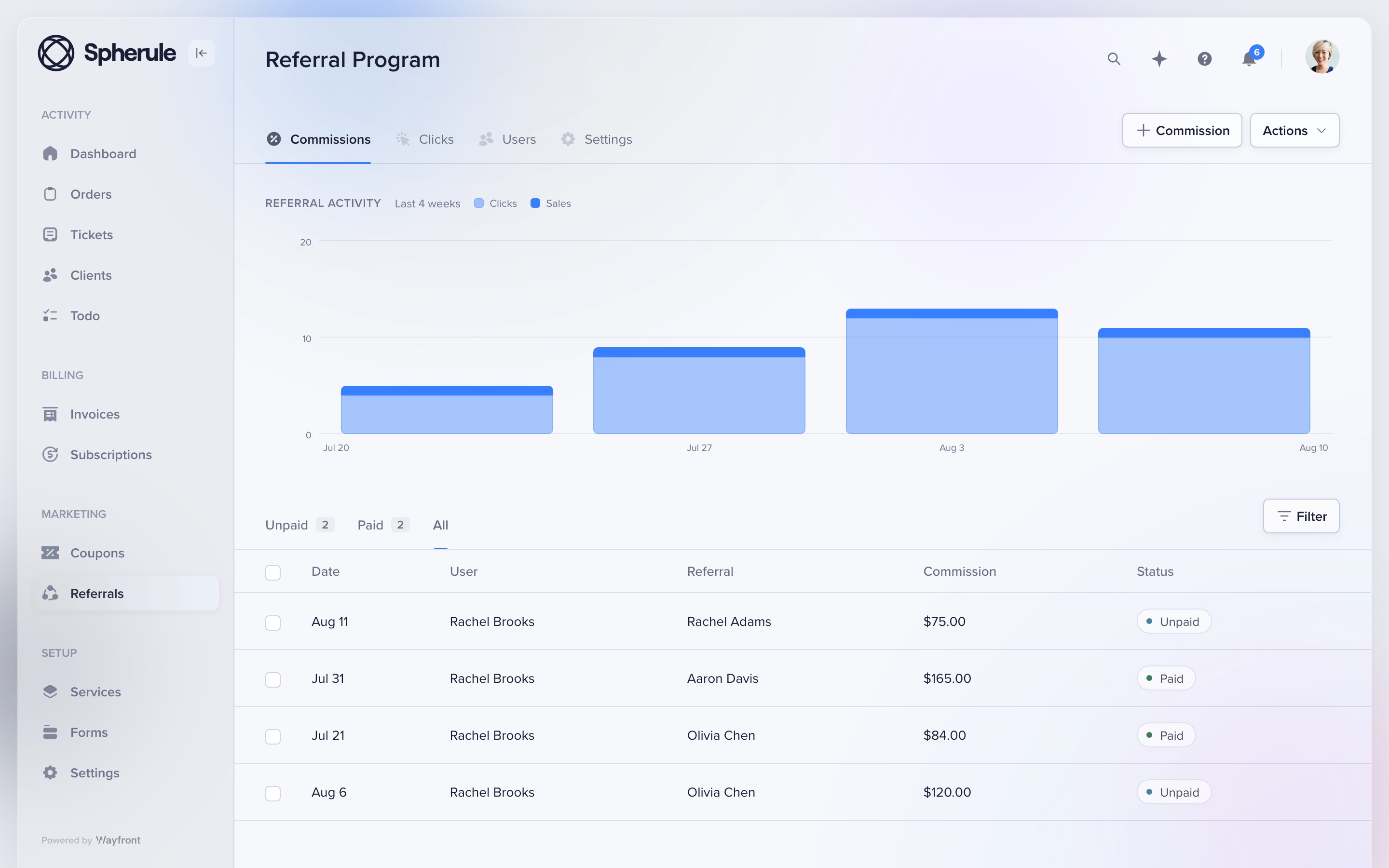
Keep repeat sales, referrals, and reseller work in the paid client account. The portal stays useful after the first job is done.
A client can buy again or refer a new buyer. An agency partner can resell an approved service from its own workspace. Each sale stays tied to the right client or partner.
Where Wayfront stops
Know the boundary
Wayfront is built for repeatable productized services. It is a poor fit for bespoke work that must be scoped, proposed, and priced from scratch for every client. Teams that need Gantt charts, time tracking, or deep resource planning may still want a specialist planning tool.
Before you buy
Run 3 tests with a real service and client
A feature grid hides the handoffs. These tests show what the agency and client must do next.
Buy the same real service
Use the same scope, price, options, and intake for each option you are seriously considering. If a tool needs a separate checkout or delivery system, include it in the test and count every manual handoff.
Deliver one awkward request
Change scope, add a file, reply from email, ask for support, and issue a refund. Check which staff and client records keep the full history without a manual rescue.
Sell the next service
Ask the same client to buy again, renew, refer a buyer, or purchase through a partner. The second sale exposes whether the product runs a client relationship or only the first transaction.
Switching
Move 1 service first
Move one active request-based service first. Recreate its checkout, intake, client communication, and repeat-purchase path, then invite the clients who are currently using it.
1. Group requests by paid service
To switch from Zendo, review active requests and identify the repeatable services behind them. Ignore one-off exceptions until the common service flow is clear.
Create those services in Wayfront with the correct price, intake, client access, and communication path.
2. Move the active client relationship
Bring over active clients, current files, open work, and billing context. Keep an archive of completed request conversations for reference.
Tell clients they can use the new portal or reply by email. Move the next purchase into Wayfront after the client knows where current work lives.
How this comparison was checked
Zendo product, pricing, request, branding, and integration documentation reviewed August 2026. We compared who each tool serves, what clients see, how payments work, and what happens after the sale.
For another perspective, read Zendo user reviews on G2.
Zendo alternative FAQs
Yes. Its client dashboard includes orders, requests, subscriptions, messages, documents, files, and the storefront. Delivery conversations still stay close to each request.
Zendo documents request-specific email addresses and email notifications. Wayfront also routes inbox replies back to the correct order or support ticket. Test both with a real client.
Zendo connects Rewardful or Tapfiliate. Each needs its own subscription. Wayfront includes client referrals and connected reseller workspaces.
Choose Zendo when a storefront, client dashboard, and request queue should run delivery. Choose Wayfront when native referrals, resellers, support, and repeat sales should share one commercial layer.
Comparing a wider set of portal categories? Read our guide to the best client portal software for productized agencies.
