


The short answer
Best Agency Handy alternatives at a glance
Wayfront connects repeatable service purchases to delivery, support, repeat sales, referrals, and reseller workspaces. Agency Handy is a better fit when services, projects, tasks, billing, and support should live in one general agency operations suite.
-
Wayfront
Best for: Agencies selling repeatable productized services. Wayfront connects purchase, intake, projects, tasks, communication, billing, support, and the next sale in one permissioned account.
-
SuiteDash
Best for: Businesses that want one low-cost back office. The agency must connect and maintain CRM, proposals, invoices, projects, files, portal pages, and automation. In our August 2026 review, the current interface looked dense and dated.
-
HoneyBook
Best for: Small businesses turning leads into booked custom projects. The project and booking clientflow remain the center. Repeat service sales continue through that model.
-
Dubsado
Best for: Service firms that build a custom sales path for each project. The proposal, contract, invoice, and custom project remain the center, so productized services inherit a bespoke clientflow.
-
Assembly
Best for: Firms that need to build custom apps for each client. Most plans cap active contacts, payouts reconcile through Stripe Express, and client sales carry a 0.3% to 1.5% billing-method fee.
What you are replacing
Agency Handy runs agency operations; Wayfront runs the paid service account
Agency Handy has the building blocks for a productized agency, but the workflows between them stay thin. Wayfront connects the service, purchase, intake, project, tasks, client communication, billing, support, and next sale in one permissioned system.
Choose Agency Handy when
Agencies that want services, projects, tasks, billing, and support in one operations suite
Choose Agency Handy when the client portal and internal project operation should live in one suite.
Choose Wayfront when
Repeatable services should create repeatable revenue
Choose Wayfront when the client layer should sell the next service, support current work, and run referrals or reseller sales.
Product model
How Agency Handy actually works
Agency Handy has the building blocks for a productized agency. It includes a service catalog, order forms, intake, plans, projects, tickets, files, and a branded portal.
The difference is how deeply those pieces connect. Agency Handy covers service administration and current client work. Wayfront is built around repeatable productized services, with purchase-triggered delivery and one permission model for staff and clients.
Agency Handy connects the standard agency operation
An agency can publish services, collect order details, manage leads, bill clients, run plans, assign tasks, receive tickets, and share files. The platform owns client access and internal work.
Wayfront also manages projects and tasks. The difference is that the service purchase controls intake, delivery, permissions, billing context, support, and the next sale.
The best fit depends on how much workflow depth the agency needs
Agency Handy joins the service catalog, proposals, projects, task tracking, time tracking, files, invoices, tickets, and branded client portal. The building blocks are there.
The risk is outgrowing the connections between them. Test service-template changes, recurring intake, client permissions, task handoffs, email replies, billing exceptions, and repeat purchases with a real account.
Wayfront is built for that repeatable productized-service lifecycle. Staff run the project and tasks in the same system while clients see only the work and actions meant for them.
Pricing follows team capacity
Agency Handy's current plans include unlimited clients and projects. Each plan changes the limit on users, workspaces, storage, leads, and some portal controls. It offers a short free trial rather than a permanent free plan.
Both products price internal team capacity. Compare the plan each agency needs for its real team, workflow, permissions, customization, and client volume.
Consolidation also changes the client experience
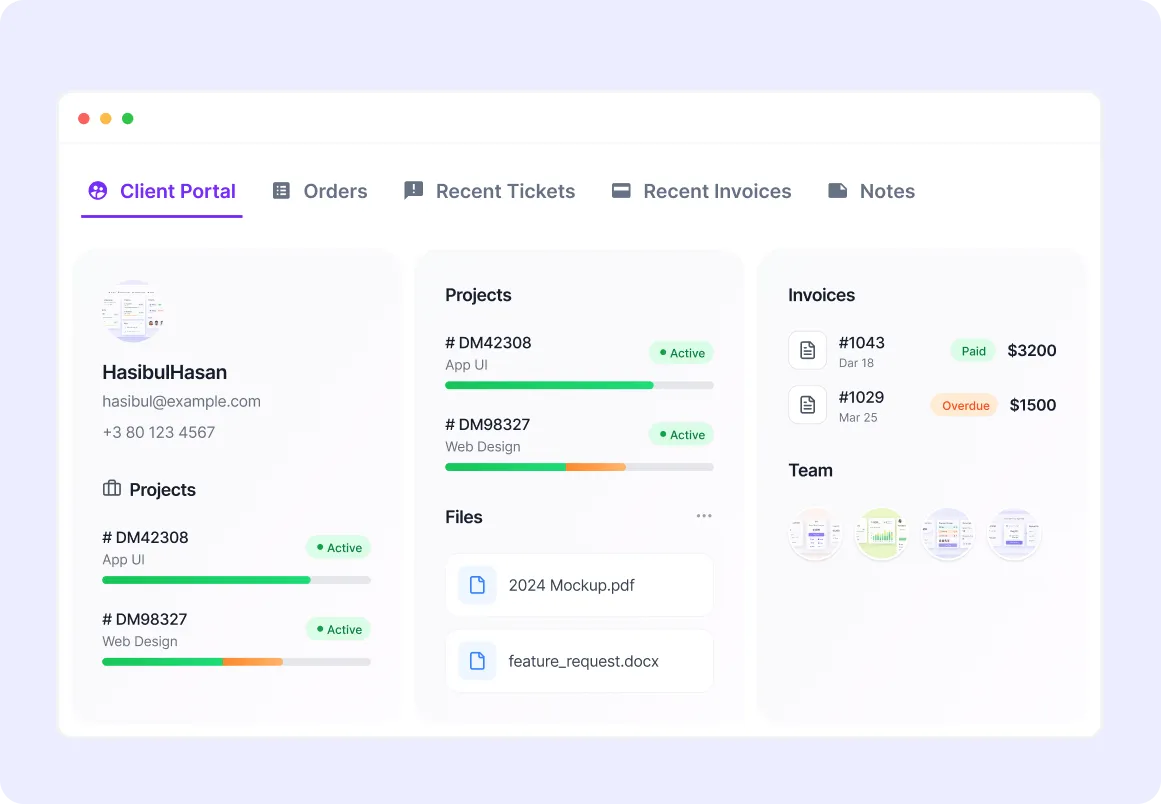
Agency Handy clients access orders, project progress, tasks, files, invoices, tickets, comments, and approvals in one branded portal. This helps when clients should see the project management structure and give client feedback there.
Wayfront keeps the client view close to the sale. Clients see what they bought, what the agency needs next, current work, files, bills, support, and ways to buy again. Staff-only tasks and notes stay hidden through permissions.
Invite a real client to both versions. Ask them to find an invoice, approve a file, answer a question, and buy the next package. The best portal shows enough delivery context without forcing the client to learn the agency's full back office.
Recurring billing follows a different account model
Agency Handy supports one-time and recurring services. A subscription can create an order, generate invoices automatically, process renewals through Stripe or PayPal, and flag a failed payment. That works well for service businesses that sell fixed-scope packages or monthly plans.
Wayfront also supports recurring billing and subscription services. The decision is what happens around the payment. Agency Handy connects it to the wider agency operation. Wayfront connects it to the paid client account, support, repeat purchases, referrals, and reseller sales.
Customization adjusts the current workflow surface
Agency Handy supports branding, custom domains, custom email, embeds, sidebar changes, and scripts on higher plans. These controls can make the portal look like the agency and connect it to other tools.
Wayfront Pro lets an agency edit the source templates behind client-facing pages. The agency can change the structure and language of the experience alongside its logo, colors, navigation, and embedded content.
The growth model is the larger difference
Agency Handy is built to run services and current client work. Its public pages focus on the catalog, orders, projects, bills, tickets, files, and client records.
Wayfront adds built-in client referrals and connected reseller workspaces to repeat purchases inside the same account. Those are meaningful only when an agency has a real referral or partner channel, but they make the platform a different kind of client-revenue system.
The operating difference in 3 parts
Communication
Agency Handy: Agency Handy keeps tickets, task comments, file feedback, approvals, and client updates around the current service order and project.
Wayfront: Wayfront keeps order and support conversations around the paid client account, including replies clients send from email.
Client-account growth
Agency Handy: Agency Handy is designed to sell and administer the agency's own services, orders, projects, invoices, and subscriptions.
Wayfront: Wayfront extends that model to tracked client referrals and connected reseller workspaces when partners sell the agency's services.
Experience control
Agency Handy: Agency Handy offers branding, domains, email, sidebar controls, embeds, and scripts around its agency-management structure.
Wayfront: Wayfront Pro lets the agency change the source templates underneath client-facing pages, including their structure and actions.
The full shortlist
The 5 best Agency Handy alternatives
Each tool does a different job. Choose based on what should happen after a client pays.
1 of 5
Wayfront
Where Wayfront fits
Best for agencies selling repeatable productized services. Wayfront connects purchase, intake, projects, tasks, communication, billing, support, and the next sale in one permissioned account.
Main tradeoff
Custom work that starts with a proposal needs its own sales process.
2 of 5
SuiteDash
Where SuiteDash fits
Best for businesses that want one low-cost back office. Choose SuiteDash when one Swiss Army knife must cover CRM, projects, billing, files, portals, proposals, and rules.
How SuiteDash is organized
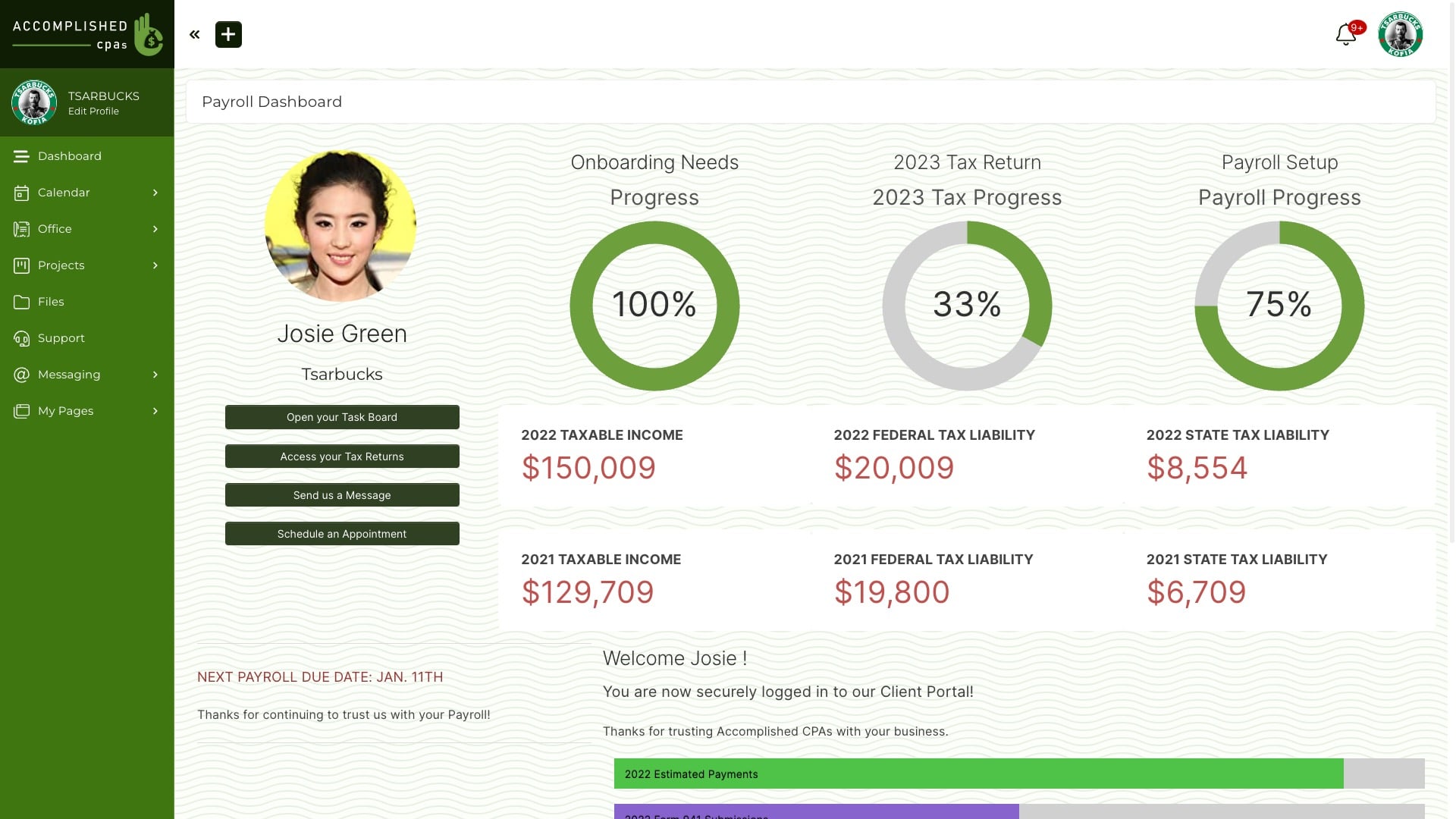
SuiteDash spreads CRM, proposals, invoices, projects, files, portal pages, and rules across a broad back office. The team decides how they should connect.
Main tradeoff
The agency must connect and maintain CRM, proposals, invoices, projects, files, portal pages, and automation. In our August 2026 review, the current interface looked dense and dated.
Why it made this shortlist
Choose SuiteDash when the replacement must cover a wider back office across CRM, proposals, billing, projects, files, portal pages, email, and automation. It suits teams that want to construct their own operating system.
What the switch gives up
SuiteDash requires the team to connect its modules. Those modules cover CRM, proposals, billing, projects, files, portal pages, email, and automation. Agency Handy ties the service sale directly to project work.
3 of 5
HoneyBook
Where HoneyBook fits
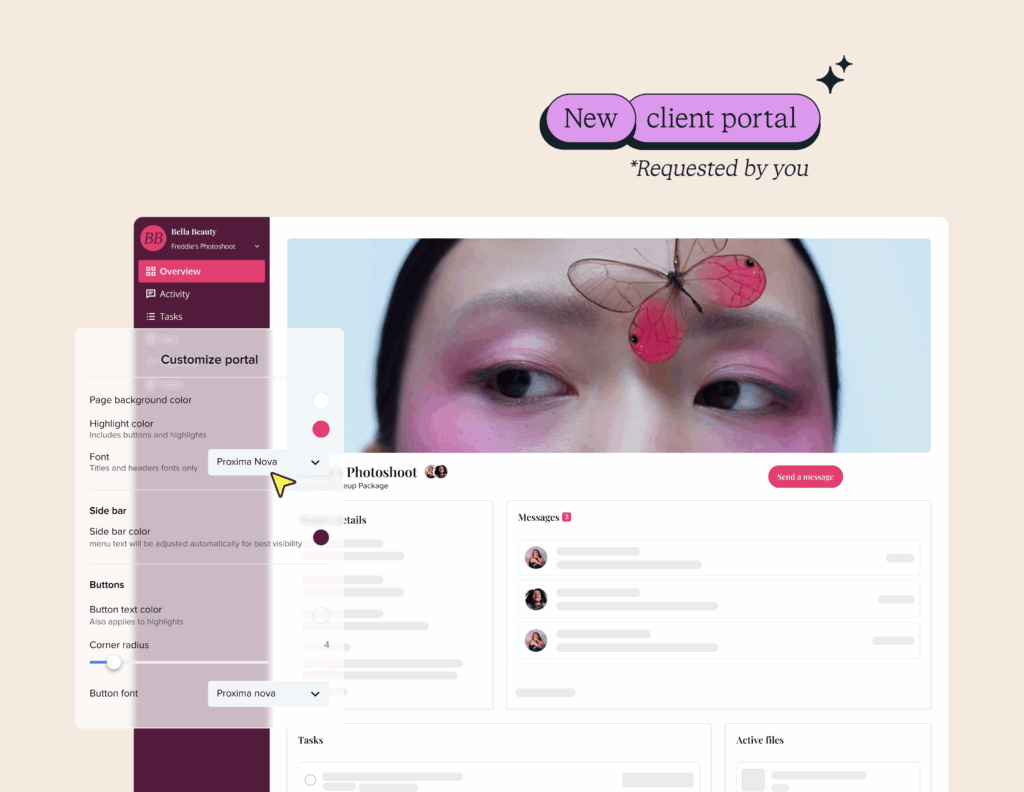
Best for small businesses turning leads into booked custom projects. Choose HoneyBook when each client starts with an inquiry, booking, contract, and custom project.
How HoneyBook is organized
HoneyBook takes an inquiry through booking, a Smart File, contract, bill, payment, and project messages.
Main tradeoff
The project and booking clientflow remain the center. Repeat service sales continue through that model.
Why it made this shortlist
Choose HoneyBook when leads, meetings, proposals, contracts, bills, and payments run the business. It fits booking-led services.
What the switch gives up
Moving from Agency Handy means giving up its service catalog, task operation, tickets, and file-approval model. Keep another system for internal delivery if those jobs remain.
4 of 5
Dubsado
Where Dubsado fits
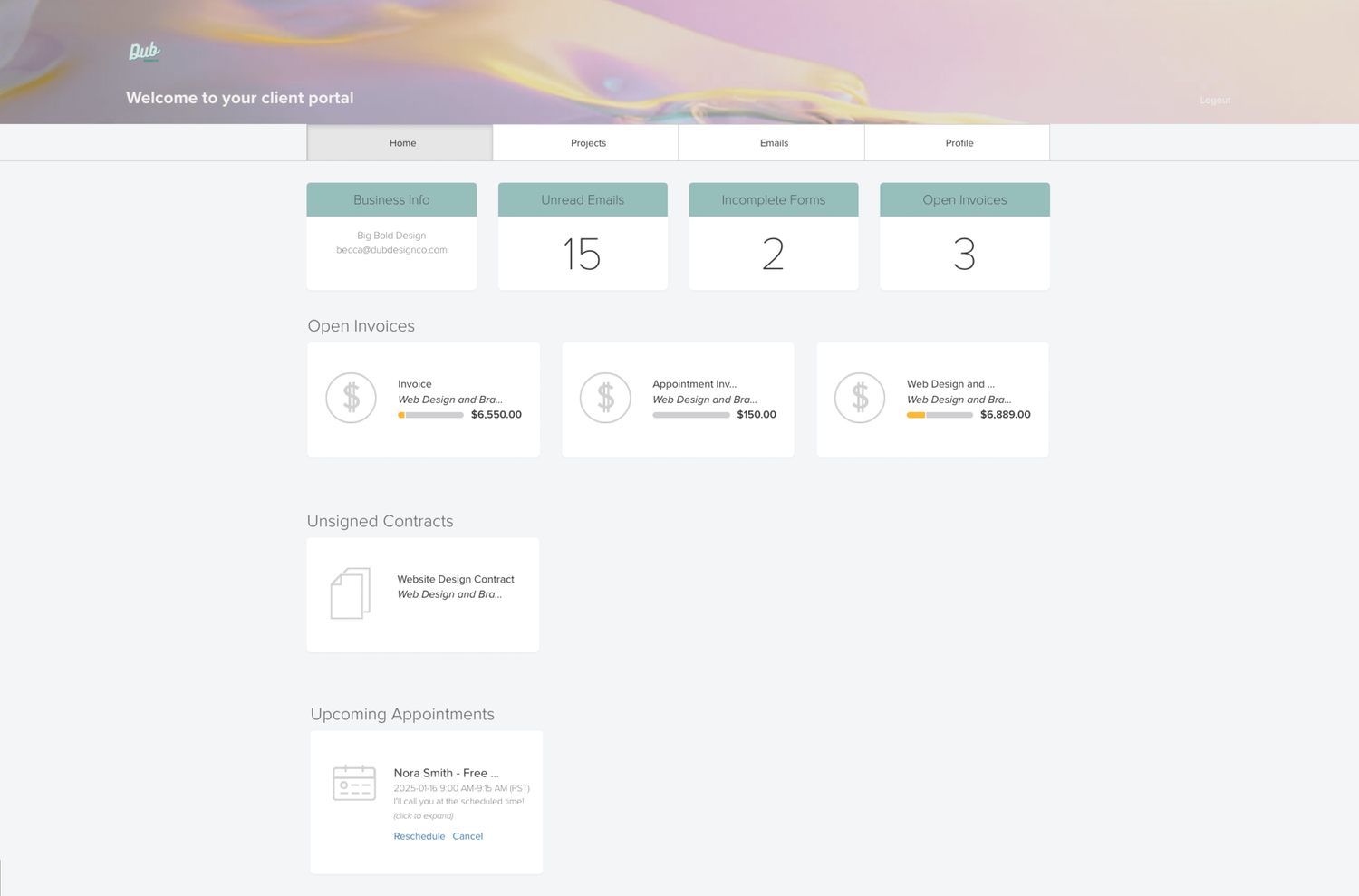
Best for service firms that build a custom sales path for each project. Choose Dubsado when custom sales and project workflows matter more than a service catalog.
How Dubsado is organized
Dubsado takes a lead through booking, a proposal, contract, invoice, forms, and project rules.
Main tradeoff
The proposal, contract, invoice, and custom project remain the center, so productized services inherit a bespoke clientflow.
Why it made this shortlist
Choose Dubsado when each job needs a custom lead form, proposal, contract, booking link, and workflow. It is built around bespoke work.
What the switch gives up
Dubsado centers the custom client journey before the work begins. The agency must decide where tasks, files, approvals, and support will live after the sale.
5 of 5
Assembly
Where Assembly fits
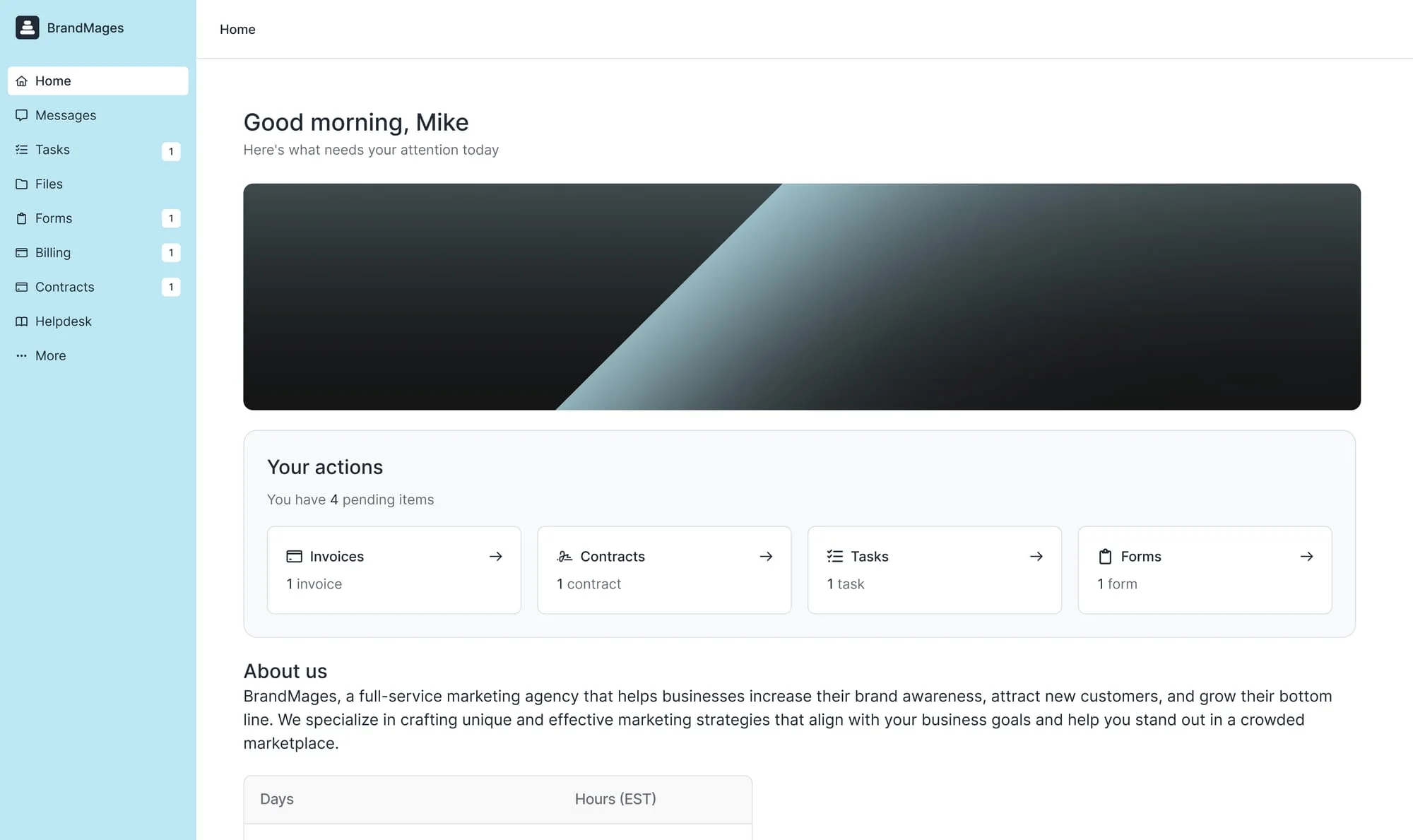
Best for firms that need to build custom apps for each client. Choose Assembly when client apps, contracts, custom homepages, permissions, and mixed types of work belong in one workspace.
How Assembly is organized
Assembly begins with a client workspace. The firm builds apps, pages, contracts, messages, files, billing, and a service store around each account.
Main tradeoff
Most plans cap active contacts, payouts reconcile through Stripe Express, and client sales carry a 0.3% to 1.5% billing-method fee.
Why it made this shortlist
Choose Assembly when each client needs a configurable app workspace made from pages, apps, forms, contracts, files, and billing.
What the switch gives up
The cost model changes with active contacts and client payment volume. Store payouts use Stripe Express. Assembly adds a billing-method fee on top of ordinary processing.
How to choose
Decide what the replacement must own
Agency Handy alternatives range from general agency suites to systems built specifically for repeatable productized services.
Choose based on the real client lifecycle: purchase, intake, project creation, task ownership, communication, billing, support, and the next sale.
Service catalog, orders, and client onboarding
Agency Handy lets a service firm publish a catalog, create order forms, collect intake, bill buyers, and manage open orders in one place. Set packages fit that path well.
Its CRM and order records form one system for clients and internal work. An agency can move a buyer from service choice into delivery without opening another client record.
Wayfront gives the purchased service a clear path after checkout. Intake, client updates, support, billing, repeat sales, referrals, and reseller work stay linked.
Projects, tasks, and internal delivery
Agency Handy puts task tracking, project tracking, file sharing, and client approval processes beside orders and bills. One management tool owns the current job and its project progress.
Wayfront creates projects and tasks from the purchased service and controls what staff and clients can see. Teams that need Gantt charts, time tracking, or deep resource planning may still add a specialist planning tool.
Run the same client project in both products. Decide where client feedback, private notes, staff work, and project delivery belong. Clients should see useful progress while the internal team keeps its delivery detail.
Brand, navigation, and portal control
Agency Handy supports a custom domain, custom email, embeds, scripts, sidebar changes, and white label controls on relevant plans. These tools can create a branded client portal and give clients access under the agency's identity.
Wayfront Pro lets the agency edit the source templates behind client-facing pages. That supports a fully branded client portal whose structure, terminology, and actions can change around a mature service model.
Build the actual white label client portal before choosing. Test one awkward account with multiple clients and contacts. Change the navigation, remove an irrelevant action, and add a service-specific page. The client experience depends on what the team can shape and maintain.
Communication, files, and support
Agency Handy puts client requests, tickets, file management, comments, approval, and client messages beside the work. It can replace separate tools when clients are happy to return to the portal.
Wayfront keeps messages with the order or support ticket. Clients can reply from email. Files, bills, services, and account history stay in the portal.
Invite a client who rarely uses portals. Send a file, request approval, ask a billing question, and reply from email. The stronger client collaboration model is the one that keeps client data and context without requiring staff to copy the same conversation across other tools.
Billing, CRM, and workflow ownership
Agency Handy joins automated billing, orders, client records, CRM features, and workflow automation. The suite owns both sales admin and current client work across the client lifecycle.
Wayfront connects the service, billing, intake, work, and support. It also helps the same client buy again, refer a buyer, or create a reseller order.
Name the system that owns prospects, paid clients, invoice exceptions, agency workflows, and account expansion. Then test whether each handoff stays connected to the service and client record.
The operating boundary that decides the fit
Agency Handy fits when one suite should handle managing clients, client projects, tasks, files, billing, CRM, support, and team collaboration.
Wayfront fits when the agency sells and delivers repeatable productized services. The portal and staff workspace share one account, with permissions separating client actions from internal work.
Build one real service in each product. The better boundary will show up in the handoffs the team must maintain.
Count the systems that would actually disappear
List the current CRM, project management, time tracking, invoicing, file management, help desk, and client portal tools. Mark each tool that Agency Handy would replace on day one. A lower bill matters only when the team can retire the old system and its copy of the client data.
Test whether the standard Agency Handy workflow still fits after adding recurring intake, multiple service variants, staff-only tasks, client permissions, billing exceptions, and a second purchase.
Wayfront is built around that repeatable lifecycle. The service connects what the client buys to the project the team runs and the account the client returns to.
How Wayfront works
Agency operations or a productized-service system
Agency Handy combines the standard pieces of agency management. Wayfront connects the repeatable service, purchase, intake, project, tasks, client communication, billing, support, and next sale in one permissioned system.
Choose Agency Handy when its standard service, project, task, billing, file, and ticket workflows cover the whole operation. Choose Wayfront when an established agency needs deeper control over repeatable productized services and the client account around them.
215%
client-base growth
Customer proof · 100 Pound Social
Victoria Lee explains how 100 Pound Social grew its client base by 215%. The agency had moved billing, onboarding, and client management into Wayfront.
Read the customer story1. Sell
Turn the sale into a client account
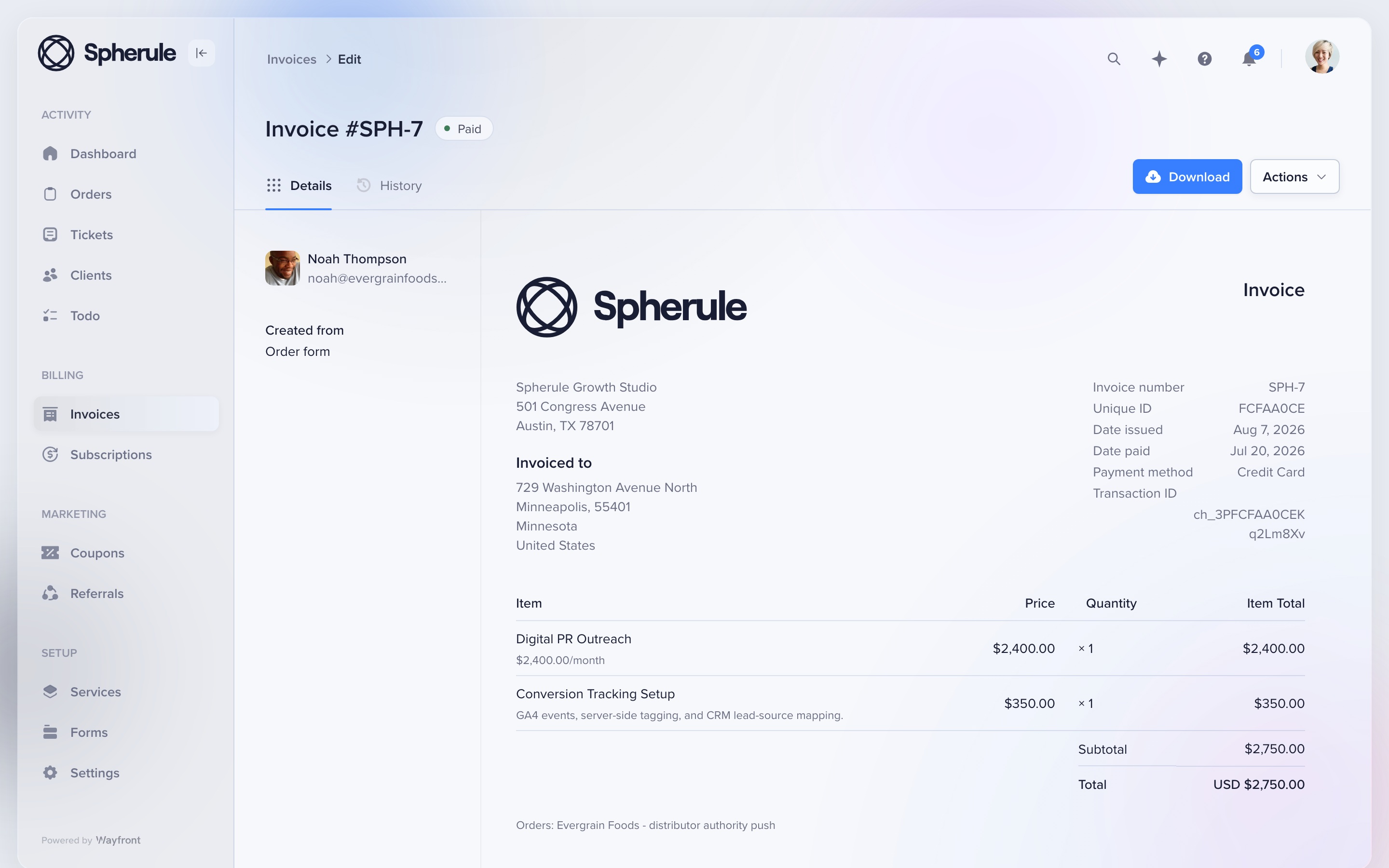
A paid service keeps the client, line items, bill, and service context together. Wayfront connects to the agency's own Stripe or PayPal account.
This redesigned invoice shows a recurring digital PR service and conversion-tracking add-on in one client record. The agency keeps control of its payment account, payouts, refunds, and disputes.
2. Onboard
Collect only the intake this service needs
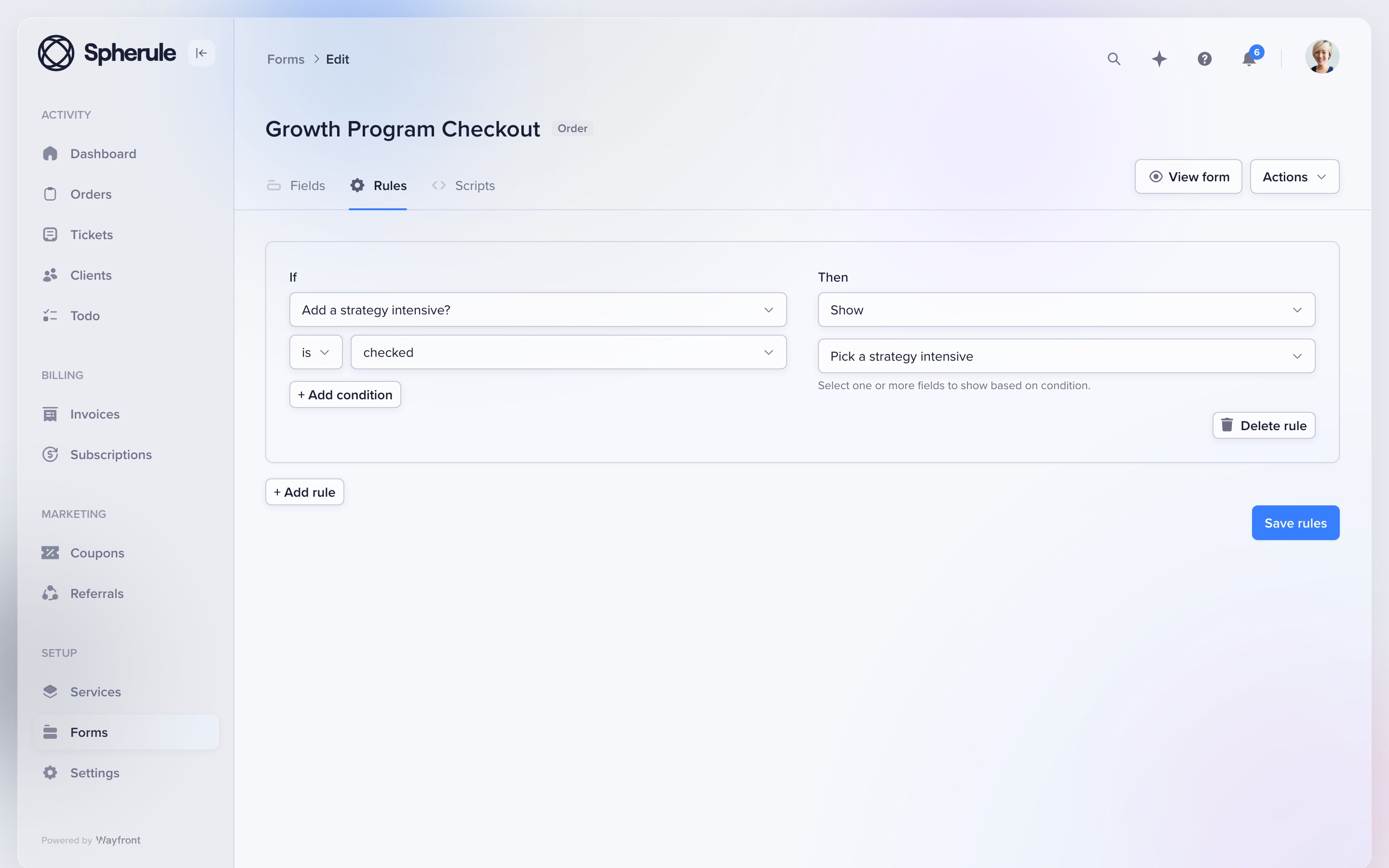
Give each service its own form. Conditional rules can show the next question based on the client's earlier answers.
Attach the form to the service before launch. A local SEO package, podcast plan, and landing page can each ask for different facts. The resulting project, tasks, owners, and client access stay tied to the purchase.
3. Communicate
Let clients choose the portal or email
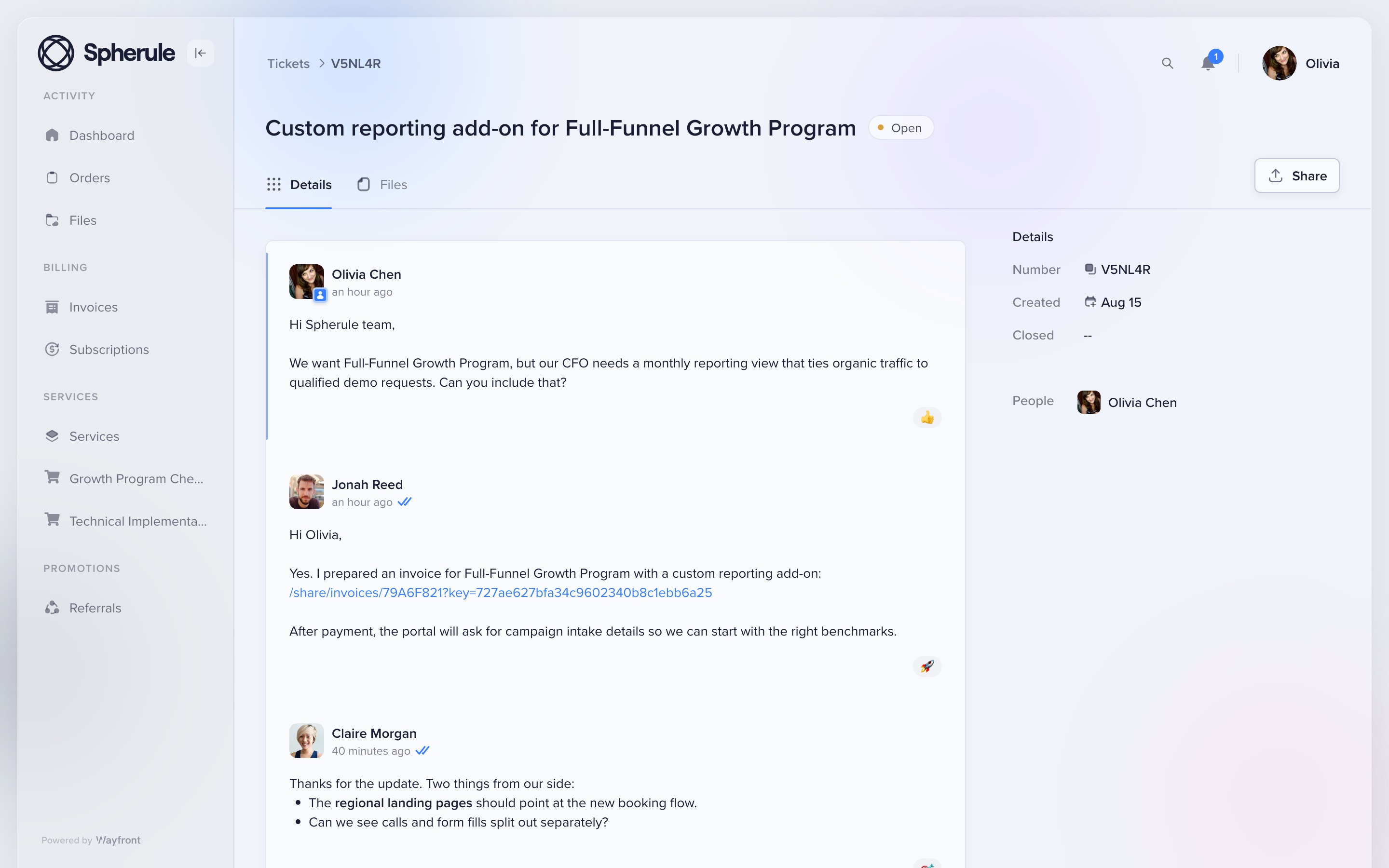
Clients can reply from their inbox or from the portal. Orders, files, tickets, bills, and current work stay under the same account.
This redesigned portal thread shows the conversation attached to the client account. Email replies return to the correct order or support ticket, so the team keeps one clear record.
4. Grow
Make the next sale easier
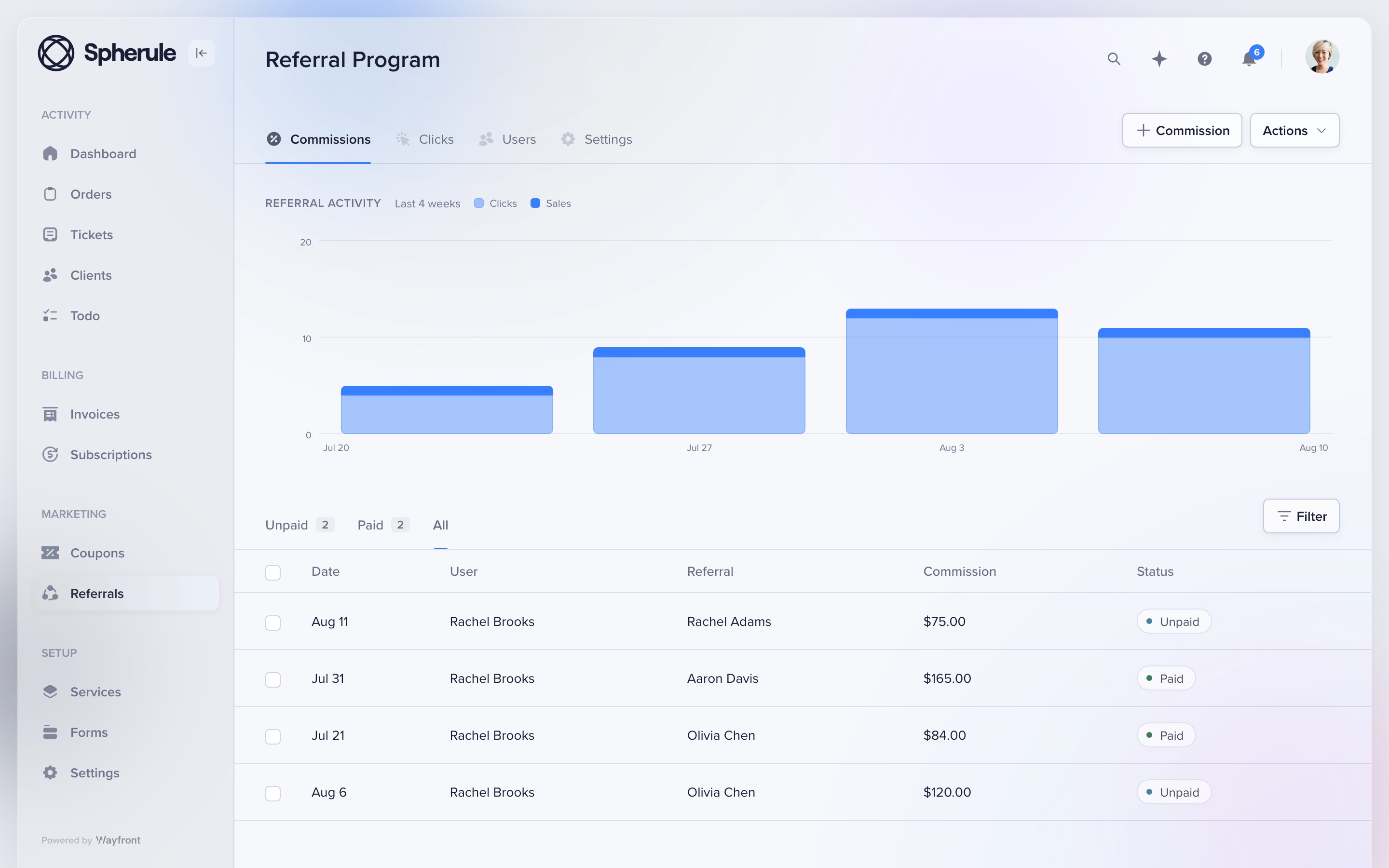
Keep repeat sales, referrals, and reseller work in the paid client account. The portal stays useful after the first job is done.
A client can buy again or refer a new buyer. An agency partner can resell an approved service from its own workspace. Each sale stays tied to the right client or partner.
Where Wayfront stops
Know the boundary
Wayfront is built for repeatable productized services. It is a poor fit for bespoke work that must be scoped, proposed, and priced from scratch for every client. Teams that need Gantt charts, time tracking, or deep resource planning may still want a specialist planning tool.
Before you buy
Run 3 tests with a real service and client
A feature grid hides the handoffs. These tests show what the agency and client must do next.
Buy the same real service
Use the same scope, price, options, and intake for each option you are seriously considering. If a tool needs a separate checkout or delivery system, include it in the test and count every manual handoff.
Deliver one awkward request
Change scope, add a file, reply from email, ask for support, and issue a refund. Check which staff and client records keep the full history without a manual rescue.
Sell the next service
Ask the same client to buy again, renew, refer a buyer, or purchase through a partner. The second sale exposes whether the product runs a client relationship or only the first transaction.
Switching
Move 1 service first
Start with one service that earns revenue today. Rebuild its catalog page, intake, billing, client access, and messages. Then move open orders and files.
1. Start with the active service catalog
Export the current services, prices, order forms, active clients, invoices, files, and open support work. Leave inactive experiments and old projects in the archive.
Rebuild one service and confirm the client journey before importing more accounts.
2. Prove the account-growth path
Invite a small group of clients, complete delivery, and run one repeat purchase. Test a referral or reseller flow only if the agency already intends to operate that channel.
Move the remaining clients after staff know where to handle email replies, support, billing exceptions, and the next sale.
3. Assign every handoff
Name the owner for a new order, client onboarding, project creation, task assignments, file feedback, invoice exceptions, and support. Then run the whole agency workflow with a real client.
The test exposes whether Agency Handy's standard workflow or Wayfront's service-triggered workflow makes ownership and client access clearer.
How this comparison was checked
Agency Handy product, pricing, proposal, email, payment, communication, and client-portal documentation reviewed August 2026. We compared who each tool serves, what clients see, how payments work, and what happens after the sale.
For another perspective, read Agency Handy user reviews on G2.
Agency Handy alternative FAQs
Agency Handy combines the basic pieces of agency management. Wayfront connects a repeatable service to purchase, intake, projects, tasks, client communication, billing, support, and the next sale in one permissioned system.
Choose it when its standard portal, project, task, billing, file, and ticket workflows cover the whole operation. Established productized agencies should test whether those workflows have enough depth and customization for real service exceptions.
Agency Handy documents logos, colors, domains, branded email, sidebar controls, embeds, and scripts. Wayfront Pro exposes the source templates behind client-facing pages.
Rebuild one service, then test its project handoff, files, support, billing exception, client email reply, and repeat purchase before moving more accounts.
Comparing a wider set of portal categories? Read our guide to the best client portal software for productized agencies.
